


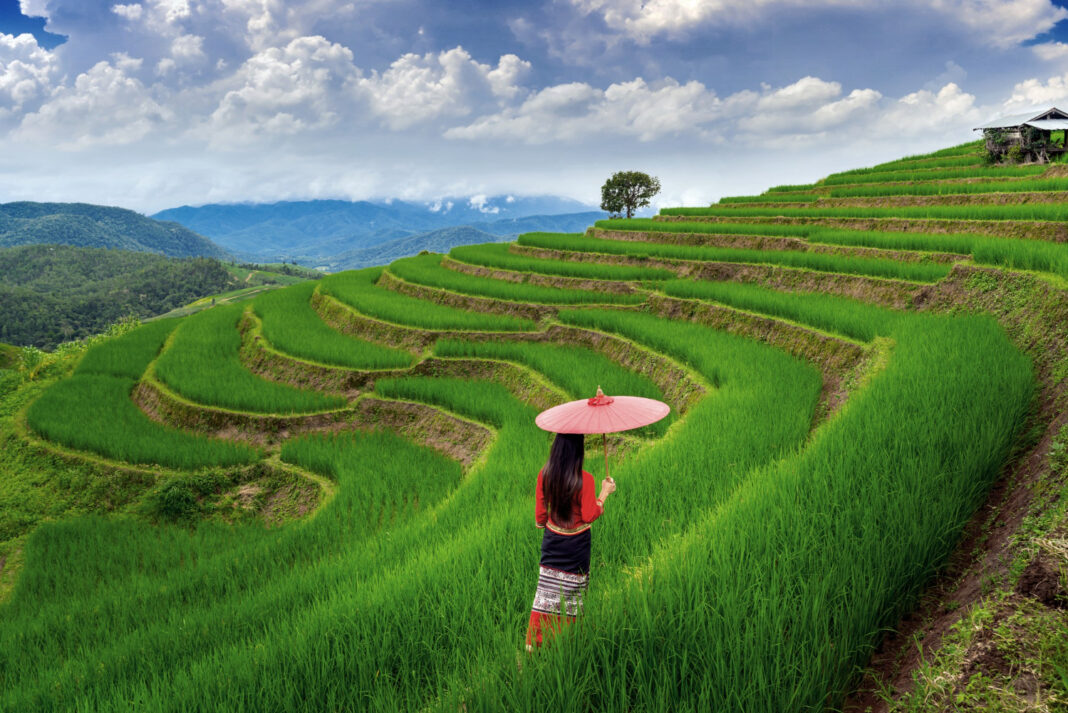
Finding the Best Rice Terraces in Bali is a quest for the island’s true soul, far beyond the crowded beach clubs and neon-lit streets of Seminyak. For many travelers, these emerald-green landscapes represent the perfect harmony between man, nature, and the divine—a concept the Balinese call Tri Hita Karana. Whether you are an entrepreneur looking for a serene escape, a photographer hunting for the perfect light, or an investor scouting for the next booming eco-tourism hub, understanding the layout of these terraces is essential. In 2026, rice terraces have evolved from simple agricultural sites into world-class heritage destinations that offer a glimpse into the ancient Subak irrigation system. This guide will walk you through the most iconic landscapes, providing practical tips on how to avoid the crowds and find those “hidden gem” spots that still feel like a step back in time.
Why Rice Terraces are the Soul of Balinese Tourism
Rice isn’t just a staple food in Bali; it is a sacred gift. The terraces are architectural marvels carved by hand into the steep hillsides, creating a cascading effect that is both functional and breathtaking. For the modern traveler, visiting these sites provides a needed digital detox and a profound connection to the earth.
In 2026, the rise of “Slow Travel” has made the Best Rice Terraces in Bali even more popular. Visitors are no longer just snapping a photo and leaving; they are staying in eco-lodges nearby, participating in farming workshops, and supporting local communities. This sustainable shift ensures that these heritage sites remain lush and protected for generations to come.
1. The Iconic Charm of Central Bali
When people think of Balinese scenery, they usually visualize the steep, narrow valleys filled with swaying coconut trees and vibrant green paddies. Central Bali, particularly around Ubud, is home to some of the most accessible and visually striking landscapes on the island.
The most famous of them all is undoubtedly the Tegalalang Rice Terrace Ubud. Known for its dramatic “steps” and the famous Bali swings, Tegalalang offers a high-energy experience. It is the perfect spot for those who want a mix of traditional scenery and modern amenities like cliffside cafes. To find the Best Rice Terraces in Bali without the massive crowds, try to arrive at Tegalalang before 7:30 AM when the light is soft and the air is still cool.
2. Exploring the Vast UNESCO Heritage Sites
If Tegalalang is the “boutique” experience, then West Bali offers the “grand” experience. Here, the mountains meet the plains, creating vast expanses of greenery that stretch as far as the eye can see. This region is vital for the island’s food security and serves as a living museum of ancient engineering.
Deciding What Is the Best Part of Bali to Go To often depends on your love for nature. If you prefer wide-open spaces over crowded streets, the Jatiluwih area is your answer. As a UNESCO World Heritage site, Jatiluwih represents the Best Rice Terraces in Bali for hiking and cycling. The trails here can take hours to explore, leading you through authentic villages where the traditional way of life remains largely unchanged by the outside world.
Table: Comparison of Top Rice Terraces in Bali 2026
| Name of Terrace | Location | Vibe | Best For | Entrance Fee (Est. 2026) |
| Tegalalang | North Ubud | Vibrant & Social | Instagram & Swings | IDR 25,000 |
| Jatiluwih | Tabanan | Vast & Majestic | Hiking & UNESCO Heritage | IDR 50,000 |
| Sidemen | Karangasem | Serene & Raw | Spiritual Escape | Free / Donation |
| Munduk | North Bali | Misty & Jungle-like | Nature Photography | IDR 20,000 |
| Belimbing | West Bali | Quiet & Authentic | Off-the-beaten-path | Free |
3. The Pros and Cons of Visiting Rice Terraces
Before you pack your hiking boots and head out to find the Best Rice Terraces in Bali, it is important to understand the realities of visiting these agricultural sites.
Pros:
- Unmatched Scenery: The visual contrast of green paddies against the blue sky is therapy for the eyes.
- Cultural Insight: You get to see the Subak system in action and meet the farmers who maintain the land.
- Affordability: Compared to luxury beach clubs, visiting rice terraces is an incredibly budget-friendly activity.
- Photography: These sites provide some of the best natural backdrops in the world.
Cons:
- Weather Dependent: If it rains heavily, the paths become extremely muddy and slippery.
- Physical Demand: Most of the Best Rice Terraces in Bali require steep climbing and walking on narrow, uneven ridges.
- Tourist Traps: Some areas have become overly commercialized with “donation” checkpoints every few meters.
- Heat: The humidity in the valleys can be intense, especially between 11:00 AM and 3:00 PM.
4. Insider Tips for an Authentic Experience
To truly enjoy the Best Rice Terraces in Bali, follow these expert recommendations for 2026:
- Check the Harvest Cycle: Rice paddies go through cycles. Sometimes they are bright green, sometimes golden (ready for harvest), and sometimes muddy (just planted). Ask your hotel or guide about the current state of the fields.
- Respect the Farmers: Remember that these are active workplaces. Stay on the designated paths, don’t step on the young rice plants, and always ask for permission before taking close-up portraits of workers.
- Wear Proper Footwear: Flip-flops are a recipe for disaster on the slippery slopes of the Best Rice Terraces in Bali. Wear sandals with good grip or light hiking shoes.
- Bring Small Cash: Many terraces are maintained by local village cooperatives. Having small change (IDR 5,000 – 10,000) for “donations” at bridges or viewpoints is considered polite and helps the locals.
5. The Future of Rice Terraces: Eco-Investment and Sustainability
In 2026, the Best Rice Terraces in Bali are at a crossroads. As tourism expands, there is pressure to convert farmland into villas. However, a new wave of “Eco-Investors” is stepping in to fund regenerative farming. This ensures that farmers earn a fair wage from tourism without having to sell their ancestral land.
By visiting these sites, you are a part of this economic cycle. Choosing a local guide or buying a coconut from a small stall at the edge of the terrace makes a direct impact. Sustainable tourism is the only way to ensure that the “Emerald Heart of Bali” continues to beat.
Conclusion (Verdict)
Finding the Best Rice Terraces in Bali is about more than just finding a pretty view; it’s about experiencing the rhythm of Balinese life. Whether you choose the famous slopes of Tegalalang or the majestic expanses of Jatiluwih, you will leave with a deeper appreciation for the island’s culture and its people.
Verdict: For the best balance of accessibility and beauty, start with Ubud. For a deep dive into nature and tranquility, head west to Tabanan. No matter where you go, the rice terraces remain the most iconic and rewarding part of any Bali itinerary in 2026.
FAQ: Everything You Need to Know
The best time is usually during the rainy season or just after (January to May). However, since farmers plant at different times, you can usually find green fields somewhere on the island year-round.
Generally, yes. The paths are well-trodden. However, in remote areas like Sidemen or Belimbing, hiring a local guide is recommended to avoid getting lost and to learn more about the plants.
Tegalalang has many viewpoints accessible from the road. However, walking down into the terraces involves steep, uneven stairs which may be difficult for those with mobility issues.
Most terraces allow drones, but some require a small fee. Always be respectful of other tourists’ privacy and don’t fly too close to the farmers or local ceremonies.