



Best Beaches in Bali for Swimming
Bali is world-renowned for its dramatic coastlines and world-class surf breaks — but not every gorgeous stretch of sand is safe to swim in. Here’s where the reef actually protects the shore, the currents stay gentle, and a casual dip won’t turn into a fight with a rip current.
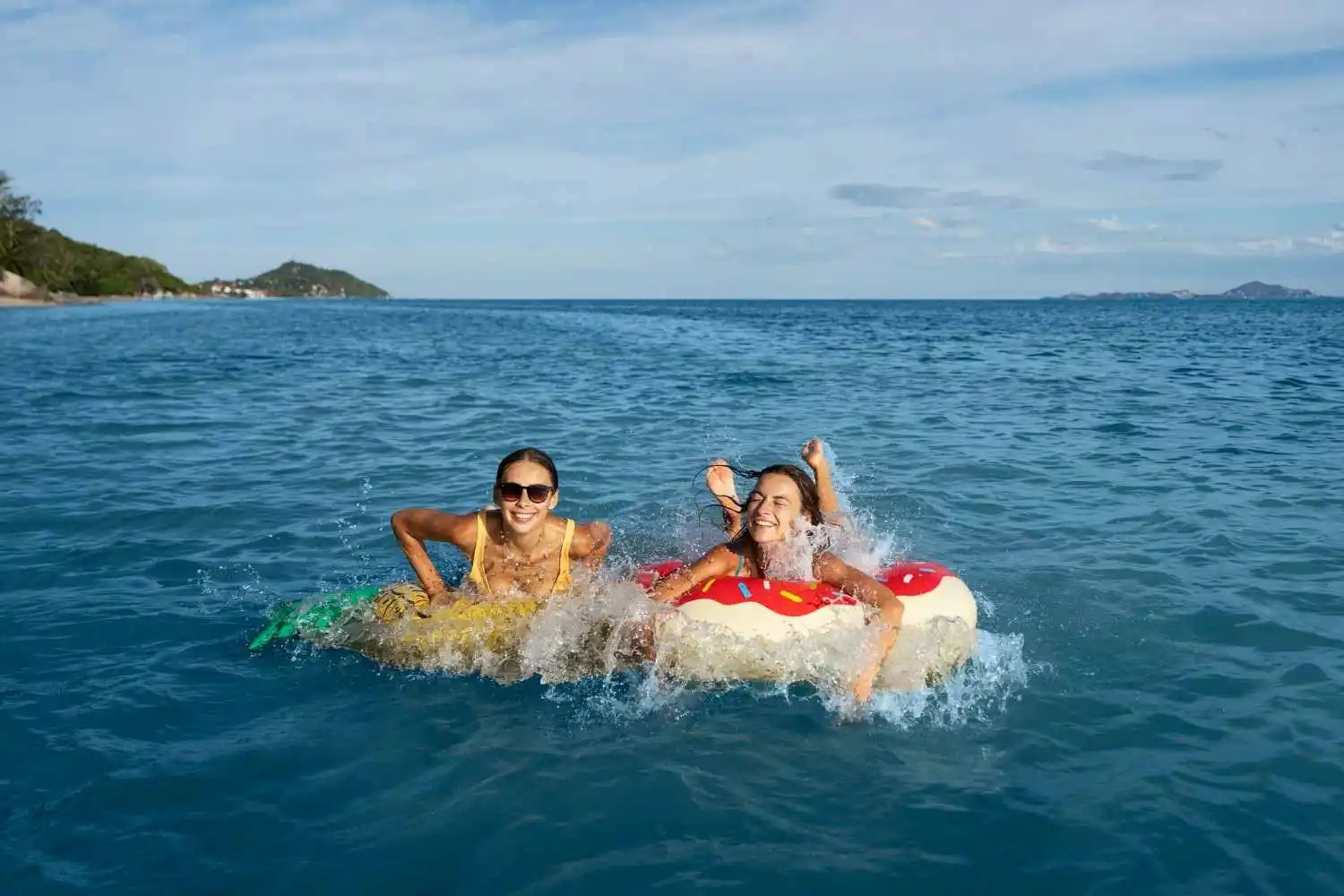
If you’ve ever tried a casual dip in Kuta or Uluwatu, you already know how intimidating the swells can get. Finding the best beaches in Bali for swimming really comes down to one thing: knowing where the reef breaks the swell and where the current actually lets you relax instead of fighting to stay in place.
Whether you’re traveling with kids, looking for a quiet romantic dip, or just want to do a few laps without dodging surfboards, the location you pick matters more than the postcard photo. This guide breaks down the spots that consistently deliver calm, turquoise, swimmable water.
At a Glance
Why Water Conditions Actually Matter Here
Not every beautiful shore in Bali is safe for a swim. Plenty of the most photogenic spots come with sharp coral, strong rip currents, or waves that are better suited to professional surfers than to a relaxing float.
Tides matter more than most first-time visitors expect. Some beaches turn too shallow at low tide, exposing a rocky sea bed underfoot, while high tide can bring in stronger swells than you’d want for a casual swim. Understanding this pattern in advance is the difference between a great beach day and a scraped knee.
1. Sanur Beach — The Family Favorite
Sanur is arguably the gold standard for calm water in Bali. Protected by a long string of offshore reefs, the sea here stays close to flat for most of the year — the kind of place where safety and stillness matter more than chasing a big wave.
Beyond its calm shoreline, Sanur’s paved coastal path makes it easy to scout several swimming nooks in a single morning, which pairs well if you’re also comparing it against Bali’s wider list of best beaches beyond just swimming conditions.
- Paved boardwalk — great for a morning cycle or stroll before the water gets busy.
- Shallow water — you can wade out surprisingly far before it gets deep.
- Local, unhurried vibe — noticeably calmer than the west coast around Seminyak or Canggu.
2. Nusa Dua Beach — Pristine and Manicured
Nusa Dua is synonymous with polish. The beaches here are maintained by the surrounding five-star resorts, so the sand stays golden and the water stays clear — one of the more frequently recommended answers whenever someone asks for the best beach for swimming in Bali, largely because the conditions are so consistent day to day.
- Lifeguards on duty — most resort-front stretches run active patrols.
- Clear visibility — you can usually see the sandy bottom while you swim.
- Zoned water sports — swimmers are kept clearly separate from jet skis and other watercraft.
Comparing Swimming Conditions Across Bali
| Beach | Water Intensity | Best For | Bottom Type |
|---|---|---|---|
| Sanur | Very calm | Families & toddlers | Sand & seagrass |
| Nusa Dua | Calm | Luxury seekers | Soft white sand |
| Padang Padang | Moderate | Social swimmers | Sand & some rocks |
| Blue Lagoon | Calm / moderate | Snorkeling & swimming | Coral & sand |
| Virgin Beach | Moderate | Hidden gem seekers | Fine white sand |
| Pemuteran | Very calm | Quiet retreats | Dark sand / reef |
3. Padang Padang Beach (Labuan Sait)
Famous for its cameo in Eat Pray Love, Padang Padang is a stunning cove tucked behind a narrow rock entrance. The outer break is a well-known surf spot, but the inner bay is a genuinely sheltered swimming hole.
It’s small, so it fills up fast — but the rock formations and clear, greenish-blue water make it a strong contender for swimming around the Uluwatu area. Watch your snacks on the stairs; the local monkeys have no manners.
4. Virgin Beach, Karangasem — Worth the Drive East
If you’re willing to make the trip to East Bali, Virgin Beach (also known locally as Pantai Bias Tugel) rewards the effort. Unlike the busier southern shores, it still has that “untouched” feel.
The water runs a striking blue and the sand mixes white with volcanic black. Waves are usually gentle enough for a long swim, and the local warungs will happily set you up with an umbrella and a fresh young coconut. If you’d rather cool off in fresh water instead of the ocean on the same trip east, the swimmable waterfalls around Ubud or a day on the Telaga Waja river rafting route both make good detours.
5. Blue Lagoon, Padangbai
Tucked near the Padangbai port, Blue Lagoon is a small, steep beach that feels a bit like a private aquarium. The water is exceptionally clear, which makes it a favorite for what regulars call “snorkel-swimming” — you don’t need a boat trip to see colorful fish here, just a mask and a short walk in.
Expert Tips for Swimming in Bali
- Time your swim. Check a tide app before heading out — high tide is generally better for swimming since it covers sharp reef that’s exposed at low tide.
- Wear water shoes. At reef-heavy beaches like Padang Padang or Bingin, they’ll save your feet from sea urchins and coral.
- Sunscreen early. Apply reef-safe sunscreen at least 20 minutes before entering the water, both for your skin and the reef itself.
- Rainy-season backup plan. If the surf or debris makes the ocean a no-go, an indoor swimming pool in Bali is a reliable fallback that doesn’t depend on the tide.
Pros of Swimming in Bali
- Warm year-round — water sits around 27–29°C.
- High salinity — makes floating noticeably easier for beginners.
- The views — limestone cliffs or volcanoes in the background while you swim.
Cons to Plan Around
- Tidal swings — a beach can go from pool-calm to rocky reef in hours.
- Seasonal debris — the west monsoon (roughly Dec–Feb) can wash in ocean plastic.
- Strong currents — southern beaches are notorious for sudden undertows.
Frequently Asked Questions
What is the single best beach in Bali for swimming with kids?
Sanur is the safest default for families — the reef keeps the water calm almost year-round, and it’s shallow enough to wade out a long way before it gets deep.
Is Nusa Dua or Sanur better for swimming?
Both are calm and reef-protected. Sanur has more of a local, low-key feel and a walkable boardwalk; Nusa Dua leans polished and resort-managed, with active lifeguards and zoned water-sports areas.
What does a red flag on a Bali beach actually mean?
It means don’t enter the water. Red flags mark dangerous rip currents strong enough to pull even experienced swimmers out to sea — treat it as a hard stop, not a suggestion.
Is Blue Lagoon good for beginners, or just snorkelers?
Both. The water is calm to moderate and exceptionally clear, so it works for a relaxed swim as well as snorkeling without a boat trip.
When is ocean debris the biggest problem in Bali?
Roughly December to February, during the west monsoon, some beaches can collect plastic and organic debris washed in from the sea. It’s worth checking recent conditions if you’re visiting in that window.
The Verdict
Bali offers a genuinely wide range of swimming experiences, but for the safest, most reliably enjoyable swim, Sanur and Nusa Dua remain the two to beat. Sanur wins on stillness and local character; Nusa Dua wins on polish and amenities. If you’re chasing something more adventurous, the drive out to Virgin Beach in the east delivers the “hidden beach” feeling most visitors are actually looking for. Wherever you end up, respect the ocean’s mood for the day and check the flags before you wade in.