


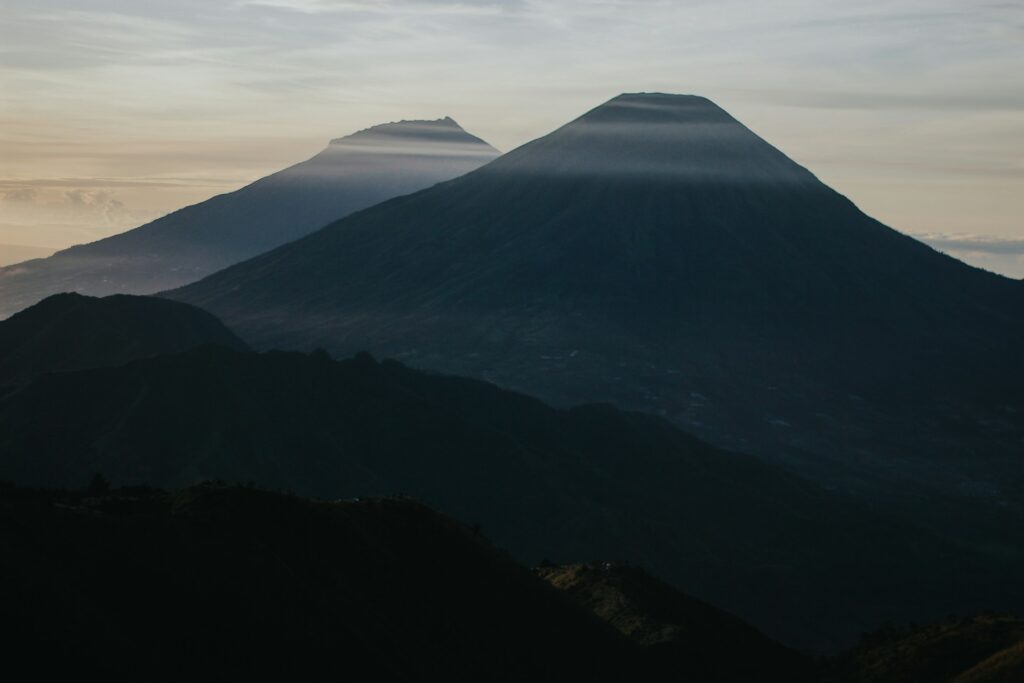
Engaging in mountain climbing in Bali has become a premier bucket-list activity for outdoor enthusiasts visiting Indonesia in 2026. While the island is world-famous for its tropical beaches and vibrant nightlife, the rugged volcanic interior offers a completely different world of adventure. Mountain climbing in Bali allows travelers to witness breathtaking sunrises from above the clouds, trek through ancient rainforests, and stand on the craters of active volcanoes. From the iconic slopes of Mount Batur to the challenging heights of Mount Agung, each peak provides a unique perspective of Bali’s spiritual and geographical landscape. Whether you are a beginner looking for a manageable sunrise hike or a seasoned mountaineer seeking a grueling vertical challenge, the Balinese highlands cater to every fitness level.
As tourism shifts toward wellness and nature-based experiences, trekking has emerged as a sustainable way to connect with the local culture and the island’s natural “Taksu” (soul). This guide explores the top peaks, essential gear, safety protocols, and the best times to embark on your high-altitude journey.
The Spiritual Significance of Bali’s Volcanoes
In Balinese Hinduism, mountains are considered the abode of the gods and the center of the universe. This spiritual connection makes the experience of climbing quite different from other parts of the world. Every trek is not just a physical exercise but a pilgrimage. You will often see local guides placing small offerings (canang sari) at the trailhead or summit to ask for protection and permission from the spirits.
Respecting these traditions is vital. Climbers are expected to follow local customs, such as wearing appropriate attire near temples and maintaining a respectful demeanor. Understanding the cultural context enriches the experience, turning a simple hike into a profound cultural immersion.
1. Mount Batur: The Most Popular Sunrise Trek
Mount Batur remains the most accessible and popular choice for those interested in mountain climbing in Bali. Standing at 1,717 meters above sea level, it offers an active volcano experience with a relatively moderate difficulty level. Most hikers start their journey around 3:30 AM to reach the summit just in time for the spectacular sunrise over Lake Batur and Mount Abang.
The trail consists of volcanic ash and gravel, which can be slippery, but the reward at the top is unmatched. At the summit, many guides prepare breakfast using the natural steam rising from the volcanic fissures. It is a social experience where you will meet travelers from all over the world, all sharing the same awe-inspiring view of the sun emerging from the horizon.
2. Mount Agung: Challenging the Highest Peak
For those seeking the ultimate physical test, Mount Agung Bali is the definitive destination. As the highest point on the island (3,142 meters), it is considered the most sacred. Climbing Agung is significantly more difficult than Batur and requires a high level of physical fitness. There are two main routes: via Besakih Temple (the most challenging) and via Pasar Agung Temple.
Because of its height, the weather at the top can be drastically different from the coast. During your mountain climbing in Bali adventure on Agung, you will likely experience freezing temperatures before dawn. It is mandatory to hire an experienced local guide for this peak, as the trails are steep and the weather can change rapidly. Reaching the “Roof of Bali” provides a panoramic view that, on clear days, extends all the way to Mount Rinjani on the neighboring island of Lombok.
3. Discovering the Hidden Ranges: Beyond the Famous Volcanoes
While Batur and Agung dominate the headlines, there are many other mountains in Bali that offer solitude and untouched beauty. Mount Abang, located on the rim of the Batur caldera, is a fantastic alternative for those who want to avoid the crowds. It features a lush forest trail and views of the lake that many argue are even better than those from Mount Batur.
Further west, you can find the Bedugul range, including Mount Catur and Mount Batukaru. Mount Batukaru is the second-highest peak and is covered in dense, ancient rainforest. It is a haven for biodiversity, where you might spot rare birds or macaques. These lesser-known trails are perfect for “slow travel,” allowing you to appreciate the island’s flora and fauna without the pressure of a tourist-heavy itinerary.
Table: Comparison of Bali’s Top Climbing Peaks
| Mountain Name | Height (m) | Difficulty | Estimated Time | Best Feature |
| Mount Batur | 1,717m | Moderate | 2 Hours (Up) | Sunrise & Volcanic Steam |
| Mount Agung | 3,142m | Very Hard | 6-7 Hours (Up) | Highest Peak & Spirituality |
| Mount Abang | 2,152m | Moderate | 3 Hours (Up) | Caldera Views & Forest |
| Mount Batukaru | 2,276m | Hard | 5 Hours (Up) | Dense Jungle & Solitude |
| Mount Catur | 2,096m | Moderate | 3 Hours (Up) | Lake Bratan Views |
4. Best Time for Mountain Climbing in Bali
The timing of your climb is the most critical factor for success. Bali has two distinct seasons: dry (April to October) and wet (November to March).
- Dry Season: This is the ideal time for trekking. Trails are dry, and the sky is usually clear, ensuring those famous sunrise views.
- Wet Season: Trekking is generally discouraged during heavy rain. Trails become extremely slippery and dangerous. Furthermore, clouds often obscure the views at the summit.
If you plan to climb during the shoulder months (April or October), always check the weather forecast 24 hours in advance. Even in the dry season, mountain weather is unpredictable, and mist can roll in without warning.
5. Essential Gear and Preparation
A successful mountain climbing in Bali experience starts with the right equipment. Many tourists make the mistake of wearing flip-flops or light sneakers, which leads to injuries.
- Footwear: Sturdy hiking boots or trail running shoes with good grip are non-negotiable.
- Clothing: Use layers. It might be 30°C at the base, but it can drop to 5°C-10°C at the summit. A windproof jacket is essential.
- Light: A high-quality headlamp is much better than using a phone flashlight, as you need your hands free for balance.
- Hydration: Carry at least 2 liters of water and energy-dense snacks like chocolate or nuts.
Checklist: Before You Hike
- [ ] Book a Guide: Contact a reputable local trekking association.
- [ ] Physical Prep: Ensure you are well-rested and hydrated the day before.
- [ ] Check Gear: Test your headlamp and make sure your boots are broken in.
- [ ] Respect Closures: Some mountains close during religious ceremonies (especially Mount Agung).
- [ ] Insurance: Ensure your travel insurance covers high-altitude trekking.
Conclusion: Reaching the Clouds in Bali
In summary, mountain climbing in Bali offers an unparalleled adventure that contrasts beautifully with the island’s coastal life. Standing on the edge of a crater or at the highest point of the island provides a sense of perspective and accomplishment that few other activities can match. By choosing the right peak for your fitness level, respecting the local spiritual customs, and preparing with the correct gear, you will ensure a safe and memorable journey.
As we look toward the future of tourism in 2026, mountain trekking stands out as a way to explore Bali’s interior while supporting local mountain guides and preserving the island’s natural heritage. So, pack your boots, set your alarm for the early hours, and prepare to see Bali from a whole new height. The mountains are calling!
FAQ: Frequently Asked Questions
While not always legally required for every trail, it is highly recommended and often enforced by local communities (especially at Batur and Agung). Guides ensure your safety and help support the local economy.
Mount Agung is not recommended for absolute beginners. It requires stamina and a comfort with heights. Beginners should start with Mount Batur or Mount Catur.
Mount Batur and Mount Agung are active volcanoes. Their status is monitored by the Indonesian authorities. Always check for any activity alerts before planning your trip.
Prices vary depending on the mountain. A Mount Batur trek usually costs between $30 – $60 USD, while Mount Agung can cost $80 – $120 USD per person, including transport and breakfast.