


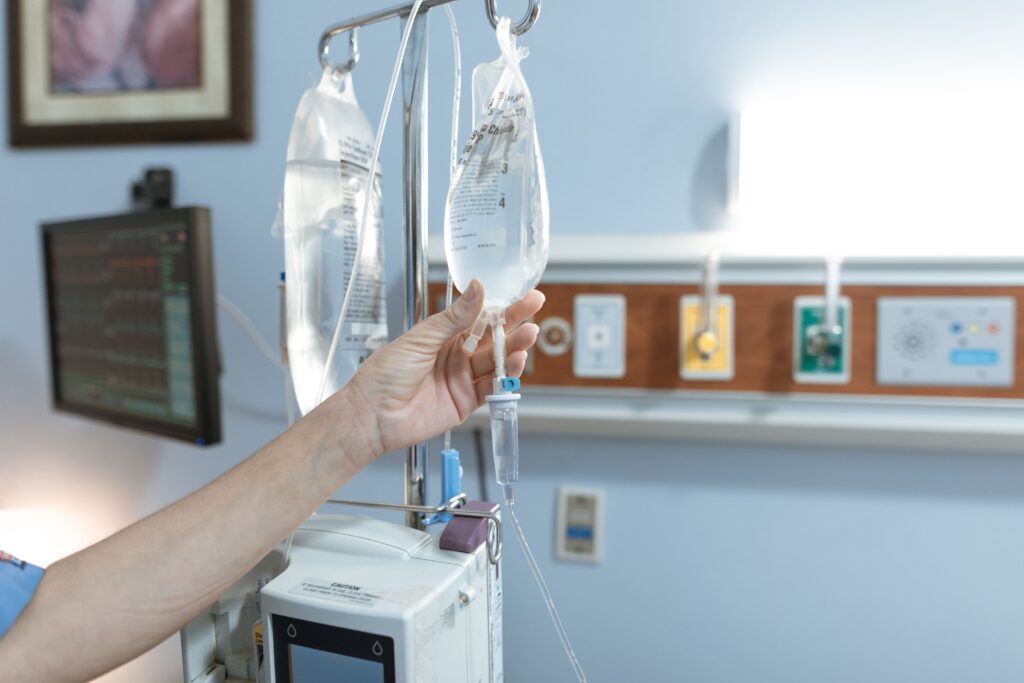
IV drip therapy has become increasingly popular in recent years, especially in wellness destinations such as Bali. Originally developed as a medical treatment for patients who required rapid fluid replacement or intravenous medication, IV therapy is now widely used in wellness clinics to deliver fluids, vitamins, minerals, and other nutrients directly into the bloodstream.
Many travelers seek IV drip therapy after long flights, physically demanding activities, or simply as part of their wellness routine. Others choose it to help restore hydration, support recovery, or address nutrient deficiencies under the supervision of qualified healthcare professionals.
Despite its growing popularity, many people still wonder what IV drip therapy actually involves, how it works, and whether it is suitable for everyone. This guide explains everything you need to know, including its functions, common uses, benefits, potential risks, and what you can expect during a treatment session.
What Is IV Drip Therapy?
IV drip therapy, also known as intravenous therapy, is a procedure that delivers fluids, vitamins, minerals, electrolytes, and sometimes medications directly into a person’s bloodstream through a small catheter inserted into a vein. Unlike oral supplements, which must pass through the digestive system before nutrients are absorbed, IV therapy bypasses the digestive tract entirely. This allows nutrients and fluids to become immediately available in the bloodstream.
The treatment has long been used in hospitals for patients experiencing dehydration, nutritional deficiencies, infections, or conditions requiring intravenous medication. In recent years, wellness clinics have adapted the treatment by offering customized vitamin infusions designed to support hydration, recovery, and overall well-being.
How Does IV Drip Therapy Work?
The procedure begins with a healthcare professional reviewing the client’s medical history and current condition. Depending on the individual’s needs, a specific IV formulation is selected. A small intravenous catheter is then inserted into a vein, usually in the arm or hand. The IV bag is connected to the catheter through sterile tubing, allowing fluids to flow gradually into the bloodstream over approximately 30 to 60 minutes.
During the session, clients typically relax in a comfortable chair while the infusion takes place. Most people experience little discomfort beyond the brief needle insertion at the beginning of the treatment. Once the infusion is complete, the catheter is removed, and clients can usually resume their normal activities immediately unless otherwise advised by their healthcare provider.
Common Functions of IV Drip Therapy
IV drip therapy serves a variety of medical and wellness purposes. Depending on the ingredients used, different formulations may support different health goals. Some of its most common functions include:
Hydration Support
One of the primary purposes of IV therapy is restoring fluid balance. This is particularly helpful for individuals experiencing dehydration caused by heat exposure, prolonged physical activity, illness, or travel.
Electrolyte Replacement
Electrolytes such as sodium, potassium, magnesium, and calcium help regulate muscle function, nerve signaling, and fluid balance. IV therapy can replenish these essential minerals when medically appropriate.
Vitamin and Nutrient Delivery
Many wellness IV drips contain vitamins such as vitamin C, B-complex vitamins, and minerals that may support normal metabolic processes. These nutrients are delivered directly into the bloodstream rather than passing through the digestive system.
Recovery After Physical Activity
Athletes and active travelers sometimes use IV therapy as part of their recovery routine following strenuous exercise. Hydration and electrolyte replacement may assist in restoring fluid balance after intense physical exertion.
Medical Treatment
In hospitals, IV therapy remains an essential method for administering medications, antibiotics, pain management drugs, and emergency fluids when oral treatment is not suitable.
Types of IV Drip Therapy
Different clinics offer various IV formulations depending on individual wellness goals and medical indications.
| Type of IV Therapy | Primary Purpose |
|---|---|
| Hydration Drip | Replaces fluids and electrolytes |
| Vitamin Infusion | Delivers vitamins and minerals |
| Immunity Support IV | Contains nutrients commonly associated with immune function |
| Recovery Drip | Supports hydration after physical activity or travel |
| Energy Formula | Often includes B vitamins and hydration components |
| Beauty Drip | Typically contains antioxidants and vitamins used in cosmetic wellness programs |
The exact ingredients vary between providers, and formulations should always be administered under appropriate medical supervision.
Potential Benefits of IV Drip Therapy
Many people report feeling refreshed after receiving IV therapy, particularly when dehydration has contributed to fatigue or reduced energy. Potential benefits may include:
- Rapid hydration
- Efficient electrolyte replacement
- Delivery of vitamins and minerals directly into the bloodstream
- Convenient treatment sessions
- Personalized formulations based on individual needs
- Support during recovery from dehydration under medical guidance
However, it is important to understand that individual responses differ, and wellness IV therapy should not be viewed as a cure for illness or a substitute for a balanced diet and healthy lifestyle.
Are There Any Risks?
Like any medical procedure, IV drip therapy carries certain risks, although complications are uncommon when performed by qualified healthcare professionals using sterile techniques. Possible risks include:
- Bruising around the injection site
- Mild discomfort during needle insertion
- Infection if proper hygiene standards are not followed
- Allergic reactions to certain ingredients
- Fluid overload in individuals with specific medical conditions
For this reason, IV therapy should always begin with a health assessment to determine whether the treatment is appropriate.
Who Can Benefit from IV Drip Therapy?
IV drip therapy may be appropriate for adults who require hydration support or have medical indications determined by a healthcare provider. People commonly seeking IV therapy include:
- Travelers experiencing dehydration after long flights
- Individuals recovering from physically demanding activities
- People with temporary dehydration due to hot climates
- Individuals unable to consume adequate fluids orally under certain medical circumstances
- Patients receiving physician-directed intravenous treatments
Those with kidney disease, heart disease, certain chronic illnesses, or allergies should always consult a qualified healthcare professional before undergoing IV therapy.
Choosing a Reputable IV Drip Provider
As IV therapy continues to grow in popularity, selecting a reputable provider becomes increasingly important. Look for clinics that:
- Employ licensed medical professionals
- Conduct health assessments before treatment
- Use sterile equipment and medical-grade supplies
- Clearly explain ingredients and treatment options
- Maintain transparent pricing and safety procedures
If you’re planning to receive treatment during your stay in Bali, you can explore IV drip Uluwatu for clinics serving visitors in the southern part of the island.
Travelers staying in Canggu may also benefit from our pick for professional IV drips in Canggu, where experienced healthcare providers offer mobile and in-clinic wellness services.
What to Expect During Your Appointment
A typical IV therapy session follows several straightforward steps. First, you’ll complete a health questionnaire and discuss your medical history with a healthcare professional. Based on this assessment, an appropriate IV formulation may be recommended. After the IV catheter is inserted, you’ll remain comfortably seated while the infusion proceeds. Most sessions last between 30 and 60 minutes, depending on the volume and type of infusion. Once the treatment is complete, the IV line is removed, and you can usually continue your daily activities without significant downtime.
Conclusion
IV drip therapy has evolved from a hospital-based medical procedure into a widely available wellness service that supports hydration and nutrient delivery under appropriate medical supervision. While many individuals seek IV therapy after travel, exercise, or periods of dehydration, it is important to recognize that the treatment is not a replacement for healthy nutrition, adequate hydration, or professional medical care.
When administered by qualified healthcare professionals following proper medical assessment, IV drip therapy can provide a convenient option for fluid replacement and individualized wellness support. Choosing a reputable provider and understanding both the benefits and limitations of the treatment are essential steps in ensuring a safe and positive experience.
FAQ (Frequently Asked Questions)
1. What is IV drip therapy?
IV drip therapy is a medical procedure that delivers fluids, vitamins, minerals, electrolytes, or medications directly into the bloodstream through a vein.
2. How long does an IV drip session take?
Most wellness IV therapy sessions last between 30 and 60 minutes, depending on the type of infusion being administered.
3. Is IV drip therapy safe?
When performed by licensed healthcare professionals using sterile medical procedures and after an appropriate health assessment, IV therapy is generally considered safe for suitable candidates.
4. Does IV therapy hurt?
Most people experience only mild discomfort when the needle is inserted. After that, the treatment is usually comfortable.
5. Who should avoid IV drip therapy?
Individuals with certain medical conditions, including kidney disease, heart failure, or specific allergies, should consult their healthcare provider before receiving IV therapy.